Blog

All Estate Planning Medicaid Planning Wills and Trusts Long-Term Care Planning Probate Special Needs Planning Asset Protection Business Law Guardianship Social Security

How Can Legal Planning Support a Loved One With Special Needs?

If you have a loved one with special needs, it's natural to be concerned about how they'll be cared for after you're gone. You can get a lot of peace of mind when you talk to an estate planning attorney in El Paso, TX. 1. Plan Out the Needs The first step is to get a realistic understanding of precisely what your loved one will need. As you discover these needs, you will want to write out a letter of intent to guide future caregivers to understand what you want done for your loved one. Ideally, start with the daily routine, the basic medical care that's always required, your goals for your loved one's life, and whatever plan you have for getting there.\ more 2. Evaluate the Financial Needs Once you know where things are going, you can better plan for the finances that will be necessary to reach your goals. For example, think through who will care for your loved one and what that will entail. Will it mean setting up a spouse to do it, or will you need to hire full-time care? 3. Consider All Resourecs Before you start planning what you need to provide, evaluate what benefits your loved one may be eligible for. As you plan out their future, you don't want to lock them out of eligibility for important benefits they may be entitled to. 4. Consider the Long, Long-Term Future Your most immediate consideration is probably making sure that your surviving spouse or your children can care for your special needs loved one immediately after your death. But it's important to plan for the possibility that they will live a long life – possibly outliving other relatives – and need extensive end-of-life care. 5. Talk to an Estate Planning Attorney in El Paso, TX Once you have some general thoughts in place, and even before that, talk to an estate planning lawyer. A lawyer will be able to help you evaluate all your options and make the best decisions based on the reality of your situation and the details of your loved one's situation. 6. Consider a Special Needs Trust When this is set up correctly, it provides money for the care of your loved one without erasing their eligibility for benefits. A lawyer can help you set this up so it's ironclad and will do what you want and what is in the best interest of your loved one. 7. Think Carefully About Conservatorship If your loved one is not able to make any financial and medical decisions, you'll need to make sure the right conservator is in place to protect them. Talk to your lawyer about how to choose wisely here, as the choice of conservator can make all the difference, for good or ill, in your loved one's future. For help with your estate planning, contact Townsend Allala Coulter & Kludt in El Paso today.


What Is the Probate Process and Why Does It Matter?

Probate is a legal process that begins after someone's death, and the point is to ensure that their assets are handled according to their wishes or, if their wishes are not clear, according to state law. This is a court-supervised process that can take time and cost money, and a probate lawyer in El Paso, TX can help you understand how it may affect your estate, help you plan to avoid probate as much as possible, or get you through a probate dispute if you're already mired in one. From a Probate Lawyer: What Is the El Paso, TX Probate Process, and Why Does It Matter? Getting Technical Probate is a judicial process that does two important things: first, it authenticates a person's will, if they have one, and second, it appoints an executor to oversee the administration and distribution of a deceased person's estate. If that person left a will, then the administration should be done according to the terms of the will, provided the will is legal and valid. If there is no will, then the executor will follow Texas intestacy laws to decide who gets what. Why It's So Important The word probate comes from a Latin word that means "to prove,"and that has reference to its primary duty of proving, or authenticating, a will. This is important to avoid disputes. If you cannot prove that a person left a will or what that will is really saying, then you cannot have a fair distribution of their property or a distribution that follows their wishes. There must also be oversight to prove which will is valid if there's more than one. Without probate, potentially any number of unscrupulous actors could try to claim parts of an estate. Probate is also important when there is no will. This can happen for various reasons, but when it does, the probate court steps in to make sure that spouses and children are prioritized over everyone else in the distribution of the deceased's estate. Finally, probate is crucial because certain assets, like real estate, cannot just be handed over to another person without a legal process. Probate ensures this happens smoothly. How It Works The process begins when the court validates a person's will. This means the court looks to see that it is legal. If it is, the will should name an executor for the estate, and the probate court will then give this person the authority they need to oversee the assets of the estate. If there is no will, then the court will appoint an administrator to fill the role. The executor then inventories all assets and determines their value. Once that's done, creditors have a chance to bring any legitimate claims. These must be dealt with, and all taxes must be paid. Then, assets can be distributed to the beneficiaries, either according to the wishes of the testator or according to intestacy laws. For help with your estate planning contact Townsend Allala Coulter & Kludt in El Paso, TX or Truth or Consequences, NM today.

Can an Elder Law Attorney Help With Guardianship Matters?

Guardianship is a serious matter that involves taking away a certain amount of a person's independence and agency over their own lives, and the courts in El Paso, TX do not lightly assign guardianship to an older person. But it's absolutely necessary in some situations, and an elder law lawyer can help you set up a guardian, remove a guardian if it's inappropriate, or change a guardian if needed. Setting Up a Guadianship There are two main types of guardianship. The first is guardianship of the person, and this is most common for those who either have a developmental or intellectual disability and are over 18, or for an elderly person who is experiencing dementia or other issues that make them unable to make good decisions for themselves. Guardianship of the person allows the guardian to make decisions about where the person will live, their healthcare and similar needs, and to manage small estates. If the person in need of guardianship has no more than $20,000 in assets and only gets Social Security benefits, then the guardian of the person is permitted to take care of their finances, though they must send an annual report to the court about the person they are watching over.Guardianship of the estate, or conservatorship, allows the guardian to manage the finances of someone who is unable to do so for whatever reason. Guardianship of the estate requires careful accounting of the ward's estate and how it's being managed, and in most cases, the guardian must get the court's approval for nearly everything. This is essential to protect wards from guardians who may try to take advantage of their condition.To become a guardian, you will need to complete an application, prove that the person really needs a guardian, meet all challenges, talk over the duties with an attorney, pass a background check, and complete an online training course. Then you will need to apply with the court and can only function as a guardian once the judge has signed off on the guardianship. Guardianship has to be renewed each year, and the courts can rescind a guardianship at any time. more Challenging a Guardianship If you or your loved one are being placed under guardianship, you may wish to challenge either the notion of needing a guardian at all or the person being appointed as guardian. This is often not easy to do, and having an elder law attorney on your side will make it much easier. An attorney can tell you what the courts are looking for as they decide on guardianship and how to prove that one isn't needed. An attorney will also be invaluable if you think an untrustworthy person is being appointed and can help you provide the proof needed to bring a successful challenge.Whatever your guardianship situation, we can help. Call us today at Townsend Allala Coulter & Kludt in El Paso, TX at 915-533-0007 to get help. We also serve clients in Truth or Consequences, NM.

What’s the Difference Between a Will and a Living Will?

A will and a living will are two different things, but they're both important parts of your estate planning. Talk to a wills attorney here in El Paso, TX to make sure your estate has everything it needs to protect you and your beneficiaries. From an El Paso, TX Wills Attorney: What's the Difference Between a Will and a Living Will? A will is something that you write to guide your loved ones and the courts in distributing your assets after you pass away. A living will is a document that you create explaining what type of end-of-life treatment care you want: or do not want. A will controls all of your assets; a living will only speaks to medical intervention when you come to the end of life, if you are unable to make choices for yourself. Having a living will in place means that your loved ones know exactly what you want to happen towards the end of your life. Not only does this document protect your interests personally, but it also protects your loved ones. It can be so difficult to have to make decisions about end-of-life care for a loved one, but with a living will in place, you've already made those decisions for yourself. more There are quite a few similar documents to a living will that might be included in your full estate plan. Here are some of the other types and how they differ from a living will: Advanced Directive A living will is actually a type of advanced directive, and they do accomplish similar things. The main difference is that a living will is usually restricted to just end-of-life care decisions. An advanced directive can be used to specify your wishes should you become incapacitated and unable to make any healthcare decisions at any time. Living Trust A living trust is a way to manage assets. You set up a trust, move whatever assets you want into it, then name yourself the trustee and continue to control these assets while you're alive. Upon your death, a successor trustee will take over and distribute the assets to your beneficiaries. Healthcare Proxy A healthcare proxy document lets you appoint a particular person to make medical decisions on your behalf. With a living will, you decide in advance what treatments you want or do not want. A healthcare proxy simply gives over this decision-making to a trusted person. It's possible to have both a living will and a healthcare proxy, and this is usually a good idea. Even if you have a comprehensive living will, a situation might still arise that the living will does not exactly cover. If that happens and you're incapacitated, your healthcare proxy can make the final decision. For more on the differences between the various documents that you'll need for a comprehensive estate plan, and for advice on the best estate plan for you, contact Townsend Allala Coulter & Kludt in El Paso, TX. We also serve clients in Truth or Consequences, NM.

How Can You Protect Your Assets With a Living Trust?

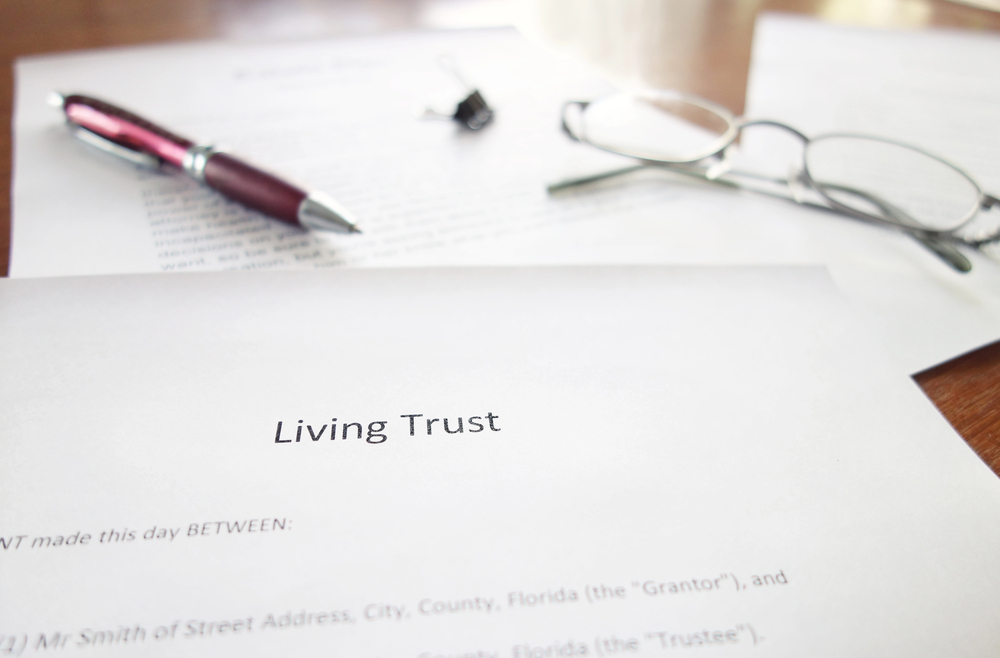
Insights from Townsend Allala Coulter & Kludt in El Paso, TX Protecting your assets for your loved ones is one of the most important steps you can take. Whether you are concerned about creditors, probate, or potential lawsuits, an estate planning lawyer in El Paso, TX can guide you in creating a living trust that protects what you have worked so hard to build. If you are ready to explore your options, call Townsend Allala Coulter & Kludt at 915-533-0007 to discuss how a living trust can fit into your overall estate plan. more What Is a Living Trust and How Does It Work? A living trust is a legal arrangement you create during your lifetime that holds and manages your assets. You, as the grantor, transfer assets into the trust and keep control of them as long as you are able. What Assets Are Placed in Living Trusts? Real estate Bank accounts Investments Personal property such as vehicles, jewelry, or family heirlooms What Can I Expect When Creating a Trust? Transfer the assets into the trust Name your beneficiaries Appoint a successor trustee who will take over if you become incapacitated or pass away What Are The Different Types of Living Trusts? Revocable Living Trust – Can be changed or revoked at any time, offering flexibility while you remain in control of your assets Irrevocable Living Trust – Cannot be changed once created and offers stronger asset protection but requires giving up control of the assets during your lifetime What Threats Can a Living Trust Protect Against? A well-prepared living trust can help protect your wealth from several potential risks, including: Probate fees and delays Estate taxes Creditors (depending on the type of trust) Lawsuits Mismanagement of assets by beneficiaries Financial exploitation if you become incapacitated One of the biggest advantages is avoiding probate, the court-supervised process of validating a will and distributing assets. Probate can take 1–2 years, is public, and can be costly. A living trust allows assets to transfer directly to your beneficiaries without probate, providing privacy and efficiency. Can a Living Trust Protect Assets from Creditors or Lawsuits? It depends on the type of trust. In a revocable living trust, you remain the legal owner of the assets, so creditors can still make claims against them. In an irrevocable trust, you no longer own the assets, which provides greater protection from creditors and lawsuits. However, irrevocable trusts require careful planning because you cannot take back control of the assets once they are transferred. What Steps Are Involved in Creating a Living Trust? Establishing a living trust requires careful legal and financial planning. Steps typically include: Inventorying your assets, debts, and goals Deciding which type of trust best meets your needs Properly funding the trust by transferring ownership of assets into it Ensuring all legal requirements are met Keeping your trust updated as circumstances or laws change Working with an El Paso asset protection attorney is the most important step to ensure the trust is correctly drafted, properly funded, and aligned with your long-term goals. About Townsend Allala Coulter & Kludt At Townsend Allala Coulter & Kludt, we provide estate planning services with a focus on protecting families, preserving assets, and ensuring our clients’ wishes are carried out. Located in El Paso, TX, we assist clients with a variety of legal planning needs. We also serve clients in Truth or Consequences, NM, offering guidance that is tailored to each individual’s circumstances. Our goal is to give you peace of mind knowing your assets and loved ones are protected for the future. If you are considering a living trust or want to review your current estate plan, call Townsend Allala Coulter & Kludt at 915-533-0007 today to schedule a consultation. We can walk you through your options and help you create a plan that protects what matters most to you. Related Articles What Are the Benefits of Early Estate Planning? What Are the Key Considerations When Planning for Long-Term Care in Texas?

How Can an Attorney Help You Create a Comprehensive Estate Plan?

When you start preparing your estate plan, it's important to understand how Texas law affects the decisions you'll make about property, finances, medical directives, and guardianship. By working with an estate planning attorney in El Paso, TX, you can create a plan that reflects your wishes and meets all the necessary legal requirements. Estate planning is more than preparing a will. You may benefit from trusts, powers of attorney, transfer-on-death deeds, advance medical directives, and guardianship designations. Texas law allows you to use these instruments to minimize probate, name trusted decision-makers, and prepare for unforeseen events. When you meet with an attorney, you can learn whether a revocable living trust, special needs trust, or irrevocable trust structure suits your financial situation and goals. You can also explore ways to handle digital assets and business succession, which generic forms often ignore. In short, your attorney will start by helping you understand all the options. From there, your attorney can help you: more Avoid Mistakes in Execution Estate planning documents must meet specific requirements under Texas law. If you fail to observe the proper formalities, a court may declare the document invalid. You can avoid that risk when your attorney prepares your documents and ensures that they are compiled according to legal requirements. Your attorney can also supervise document signing, secure notarization where required, and keep signed originals properly stored. Prepare for Long-Term Needs You may need to plan for Medicaid eligibility, long-term care costs, or managing incapacity. Your estate planning attorney can explain how to protect assets while maintaining access to public benefits. Your plan must account for these scenarios to avoid unnecessary financial stress or court intervention. By taking these issues into account now, you maintain greater control over your future. Review and Update Your Plan Over Time Your estate plan should not remain static. Texas law, your family circumstances, and your finances may be subject to change. Your attorney helps you review your plan regularly and revise it after events such as marriage, divorce, relocation, or the birth of children. Coordinate With Beneficiaries You need to ensure that the people named in your plan understand their roles and responsibilities under Texas law. An attorney can help you communicate clearly with your chosen executor, trustees, or agents, so they know how to help maintain your estate when you can no longer do so. You also need to provide beneficiaries with information about how to access their inheritance and understand any restrictions placed on distributions. Coordination from an experienced attorney helps reduce confusion, delays, and the risk of contested probate proceedings. Working with an attorney helps you create an estate plan while you reduce risk, clarify your intentions, and prepare for future challenges effectively. Schedule a consultation with us today at Townsend Allala Coulter & Kludt in El Paso, TX, to get the advice you need to step into the future with confidence.

What Legal Documents Are Essential for Elder Care Planning?

Securing long-term care for your elderly loved ones, or for yourself, involves making some important medical and financial decisions. Our team helps individuals and families in El Paso, TX, organize the legal documents required to manage elder care effectively. Texas law provides several legal avenues for quality elder care, and with the help of an elder law attorney, you can navigate this new phase of life knowing your rights and entitlements under state law. If you are unable to make your own healthcare decisions, the state of Texas uses the Medical Power of Attorney to name someone who will make health-related decisions on your behalf. In order for this process to work smoothly, you must sign this document while you are still mentally competent. Once your doctor determines that you can no longer communicate informed decisions, your designated agent may step in. The person you name should understand your values and preferences and be willing to speak with doctors and care providers on your behalf. more Without this form, medical providers may turn to next of kin, which can cause delays or disagreements if your family is uncertain about your wishes. With the help of an experienced attorney, you can trust that you will be cared for according to your personal wishes and medical needs, even in extenuating circumstances. Setting Instructions for End-of-Life Care Another important document is a Directive to Physicians, sometimes called a living will. In Texas, this form allows you to specify what kind of treatment you want, or do not want, if you become terminally ill or permanently unconscious. You can state whether you want life-sustaining treatments such as feeding tubes, ventilators, or resuscitation. You can also clarify whether you prefer comfort care only. If you do not have this directive, doctors may continue treatment based on hospital policy, which may not match your preferences. Naming an Agent for Financial Decisions You also need to appoint someone to handle your finances through a Durable Power of Attorney. This document allows a person of your appointment to manage bank accounts, pay bills, sell property, and make other financial decisions. Texas law lets you limit the scope of authority or make it broad, depending on your needs. You can also choose when the document takes effect, either immediately or only if you become incapacitated. Without this document, your loved ones may need to request a court-appointed guardianship to manage your affairs, which can be both costly and time-consuming. By taking the right legal steps in advance, you can reduce a potential burden on your loved ones and make sure your decisions are respected. Schedule a consultation with us today at Townsend Allala Coulter & Kludt in El Paso, TX, to create a complete plan that addresses your present and future needs.

How Do You Qualify for Medicaid Assistance for Nursing Home Care?

Nursing home care is expensive in El Paso, TX, which is why the government helps some seniors cover the cost through its Medicaid program. While this state-administered program ensures that low-income elders receive the care they need, applying and qualifying for coverage requires careful planning. We look at how an experienced Medicaid lawyer can help secure your assets and ensure you qualify for Medicaid. Medicaid is the federal health insurance program that helps low-income Americans fund medical and long-term care, including skilled nursing care. To qualify for Nursing Home Medicaid, seniors must meet certain financial and medical requirements. more Non-Financial Requirements Medicaid will only cover nursing home care for people needing a skilled nursing level of care. You or your loved one can either apply before moving into care or while already residing in a nursing home. Financial Requirements Here in Texas, there are strict income limits for Medicaid eligibility. For 2025, applicants must have a monthly income lower than $2,901 or a monthly household income of less than $5,802 for a married couple. Asset Limits In addition to income limits, eligibility is also dependent on asset limits. Single Medicaid applicants must hold less than $2,000 in assets, while married couples can not have more than $3,000. Countable assets include: Cash savings Investments Second homes Life insurance policies with a cash value However, the good news is that some assets are exempt, such as your vehicle, household items, personal property, and retirement accounts. Your Texas home or primary residence is also exempt under certain conditions. Medicaid Look-Back Period Unfortunately, it's not just the assets you hold today that count towards these limits. Nursing Home Medicaid has a look-back period where any financial gifts, undervalued sales, or asset transfers you've made during the last five years are examined and scrutinized. Any improper disposal of assets could result in a penalty and a rejected Medicaid application. How a Medicaid Lawyer Can Help The Medicaid system is complex, and the only way to know if you qualify is to complete an application. An experienced elder law attorney will understand the intricacies of the eligibility process and the ins and outs of the legal and financial requirements. Most importantly, a lawyer can help protect your assets while ensuring you're still eligible for benefits. Here at Townsend Allala Coulter & Kludt, we provide legal strategies tailored to your individual circumstances to secure your assets against the limits and look-back period, such as exempt transfers, irrevocable trusts, and asset spend-down strategies. We ensure you receive financial coverage for the nursing care you need while allowing you to keep hold of your home, savings, investments, and other valuables. For more than 45 years, we have helped seniors apply for and receive the benefits they're entitled to while keeping their assets intact. If you or a loved one is applying for Medicaid or has previously been denied coverage, contact Townsend Allala Coulter & Kludt (TACK) in El Paso, TX today, and let us help you navigate the complex Medicaid system.

Probate process steps, estate administration guidance, probate court procedures, El Paso TX probate attorney, Southern New Mexico estate lawyer, legal help with probate

What Are the Steps to Navigate the Probate Process?

Probate is the process of legally validating a will after someone has died. If a loved one has passed away, their will should be located and filed with the court to obtain probate. It's not mandatory to use a probate lawyer in El Paso, TX, but it's generally advisable. They can help with more complex estates, and, for smaller estates, they can provide advice on different options that might be possible, such as a small estate affidavit. What Are the Steps to Navigate the Probate Process in El Paso, TX? 1: Locate the Will The executor should first locate the will. If the will has been updated, it's important to find the most recent, valid version. The content of any previous wills that have been revoked should be disregarded. Only wills that have been properly executed can proceed through probate. The probate court will deal with any questions over the validity of a will. 2: File the Application The named executor must file an application with the probate court. This should include details about the deceased, the named executor, and the intended beneficiaries. A copy of the will must also be provided. Applications must usually be made within the same county where the deceased resided. more 3: Posting the Probate Notice After the application has been filed, the court clerk will post notice of probate. This step typically takes a minimum of two weeks. This gives public notice of the intent to grant probate and provides an opportunity for the will to be contested or a claim against the estate to be made. 4: The Probate Hearing Once the waiting period for posting is over, a hearing will take place. During the hearing, a judge will formally validate the will and confirm the appointment of the executor(s). 5: Create an Inventory The executor must create an inventory of the estate within 90 days of the probate hearing. This must include a valuation of all items. This information, together with confirmation of any debts and taxes due, must be provided to the county clerk. There are some exceptions that allow the executor to provide an affidavit in lieu of this information. 6: Handle Any Disputes All disputes must be settled before the estate is distributed. Common disputes might include the valuation of the estate, the validity of any debts, and intended beneficiaries. Disputes can be referred back to the probate judge but are often resolved via mediation. 7: Distribution When all the debts and taxes have been paid and any disputes resolved, the executor can distribute the estate in accordance with the will. Consult a Probate Lawyer Administering an estate can be a big responsibility, so the assistance of an attorney can be invaluable. They can help with more complex estates, particularly those where disputes have arisen, and with exploring any exemptions that might apply. Some exemptions can shorten the probate process, which can be beneficial for smaller or simple estates. We offer a compassionate service, with our Texas probate lawyers who have many years of experience in estate planning. Contact Townsend Allala Coulter and Kludt in El Paso, TX to find out how we can help. In addition to serving the areas surrounding El Paso, we also proudly serve clients in Southern New Mexico.

Asian,Business,Adviser,Meeting,To,Analyze,And,Discuss,The,Situation

Beneficial Ownership Interest (BOI) Reporting

The Corporate Transparency Act has been an ongoing saga since it was passed in 2021. The idea behind the CTA was to have business owners report to the federal government on the businesses they owned to try to prevent money laundering. It was difficult to follow, though, and a raft of lawsuits followed. It was blocked by the Courts, then unblocked, then blocked again. People were told to comply starting January 1, 2024, but then told that they did not have to. Finally, the cases have been resolved, and the CTA is in effect. Anyone who owns at least a 1/3 interest in a business is supposed to report their ownership interest through a beneficial ownership interest form to the US Treasury Department’s Financial Crimes Enforcement Network. The penalties under the Corporate Transparency Act for not filing this report are steep. On March 2, 2025, the U.S. Treasury Department put out a press release on the BOI reporting. The Treasury Department indicates that it will not enforce any penalties or fines against U.S. citizens or domestic reporting companies or their owners. The rule will still be enforced against foreign reporting companies only. What does it mean? For US companies and US citizens, right now, the Treasury Department won’t be enforcing fines or penalties. That announcement may be relied on for now, but it is not law. The Treasury Department can change its mind about narrowing the law and begin to enforce fines if it decides to do so. It’s also complicated for people who own businesses across the border, who may still have to comply or be heavily fined. If you are a business owner, reach out to a skilled business law attorney at Townsend Allala, Coulter & Kludt, PLLC. Contact us online or give us a call at 915-533-0007 to find out if you need to comply.

Social Security benefits update, public sector retirement planning, estate planning lawyers El Paso, maximize retirement income, Texas elder law attorneys

The Social Security Windfall Elimination Act

Many people are beginning to see an increase in their Social Security benefits. Rosie. Rosie was a teacher for 20 years. During that time, she paid into the Texas Teachers’ Retirement System (TRS). After that, Rosie became a therapist at a private firm, where she worked for another 20 years. While she was a therapist, Rosie paid into the Social Security Administration (SSA). At retirement, Rosie’s Social Security entitlement should have been $3,000, but she would also be receiving $2,000 from TRS for her years as a teacher. Until the passage of the windfall Elimination Act, Rosie would only have received $1,000 from her Social Security. Her total retirement income would only be $3,000, not the $5,000 she was expecting. In late 2024, though, congress passed the Windfall Elimination Act. This law stops offsetting the Social Security benefits for Rosie and other people who worked in the public sector. Now, Rosie will receive all $5,000 of her retirement income! This can be true even for some people who never worked in the private sector. If Rosie had spent her whole 40-year career in teaching, but her husband, Henry, had worked as a therapist his entire career, Rosie could be entitled to draw a spousal benefit from Henry’s work history. If Henry’s Social Security benefit was $4,000, Rosie should have been entitled to $2,000. Before the Windfall Elimination Act, though, Rosie would still have gotten an offset for her $2,000 TRS pension and received nothing. Now, though, Rosie can get both her TRS retirement and the spousal benefit she’s entitled to under Henry’s work history. If you or your spouse worked in the public sector, like a teacher, the military, or for a city organization, it may be time to reevaluate your retirement benefits. If your Social Security benefits were being offset by that public sector work, check in on your current Social Security status. If you didn’t apply for Social Security because of the offset, it’s important to file now. If you previously filed, be sure that your check is going up. Reach out to the SSA to be sure that you are receiving the full amount you are entitled to! Then, take the time to speak with an attorney about how any changes effect your estate planning and retirement. Take Control of Your Retirement and Estate Planning Understanding your Social Security benefits is just one piece of securing your financial future. If you or your spouse have worked in the public sector, recent changes in the law could mean you are entitled to more than you expected. Don’t leave money on the table—ensure your estate plan aligns with your updated retirement income. The experienced elder law attorneys at Townsend Allala, Coulter & Kludt, PLLC are here to help you navigate these changes and protect your financial future. Contact us online or give us a call at 915-533-0007 today to discuss how these changes impact your estate planning and long-term financial security.

Wills and trusts lawyer in El Paso, estate planning attorney near me, legal guidance for executors, writing a letter to executor, Texas estate planning law firm, probate lawyer in El Paso, asset distribution after death, end-of-life legal documents

Sorry I’m Dead: Why a letter to executor can be as important as crafting your estate plan.

Wills should accomplish two important objectives: 1)  clearly identify who will be the beneficiary of your assets when you die and 2) clearly appoint the executor to be in charge of that process. Doing everything possible to prepare now eases slightly the burden on your loved ones when they need it most. When a loved one dies,  families and friends face a host of functional problems in wrapping up the business of that person’s life. And so, a well thought-out estate plan will have much more than just a will. One of these other documents is called a “Letter to Executor”. A letter to the executor is an informal document which is not legally binding on the executor and the contents should be tailored to your needs. You can express your hopes and dreams as to how your estate might be used to benefit your loved ones. You can leave a final note saying goodbye. You can leave a listing of your assets and contact information for your financial manager and or CPA. You can leave social media usernames and passwords, or passwords to digital assets.  Whatever information you think might be helpful, a letter to executor is a good chance to provide that to your loved ones. Ready to plan your estate? Contact Townsend Allala, Coulter & Kludt today or request a consultation online with a seasoned and skilled estate planning attorney in El Paso, TX.

Contact Us

Fill out this form below and we'll contact you shortly
*Required Fields